
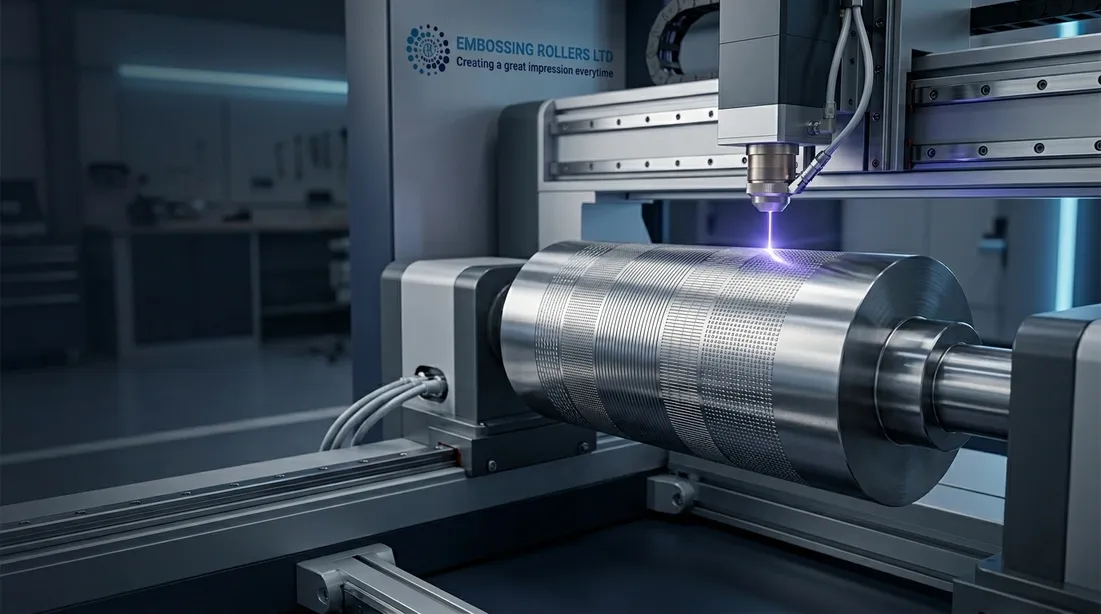
3D pattern scanningfor accurate texture capture.
Using high-precision 3D scanning, we can capture the surface detail of physical patterns, samples and rollers, creating digital data that supports restoration, reverse engineering, quality checks and new product development.
80 Years' Experience
Collectively the team have more than 80 years of embossing experience.
Latest Technology
We combine traditional craft methods with the latest engraving technology.
Quality & Pride
Stringent inspection procedures at every stage ensure satisfied customers.
Excellent Feedback
Customers consistently provide an outstanding feedback rating.
Physical to digital
When the only reference is physical,
scanning creates a digital starting point.
Many embossing patterns, material textures and legacy surfaces exist only as physical samples. That might be a worn roller, a finished product, an old archive pattern, a competitor sample or a texture that needs to be replicated more accurately.
3D pattern scanning helps capture that surface detail so it can be reviewed, measured, compared, preserved or developed into the next stage of manufacture.
For customers working with embossing rollers, this gives a more reliable route from physical texture to informed technical decision-making.
Physical to Digital
Capture surface detail from physical samples, worn rollers or finished materials where original pattern data is missing, incomplete or out of date.
Inspection Support
Use scan data to review wear, loss of definition, production variation or differences between a master surface and a real sample.
Better Starting Data
Give design, engraving and refurbishment work a more reliable technical reference before committing to tooling or rework.
Archive Ready References
Preserve fragile, historic or one-off textures as digital references that can support restoration, documentation or future development.
Physical to Digital
Capture surface detail from physical samples, worn rollers or finished materials where original pattern data is missing, incomplete or out of date.
Inspection Support
Use scan data to review wear, loss of definition, production variation or differences between a master surface and a real sample.
Better Starting Data
Give design, engraving and refurbishment work a more reliable technical reference before committing to tooling or rework.
Archive Ready References
Preserve fragile, historic or one-off textures as digital references that can support restoration, documentation or future development.
What scanning can help with
Unmatched capabilities in pattern scanning.
The value of scanning is not only in the capture. It is in preparing the data in a way that supports the next step, whether that is inspection, design development, refurbishment, reverse engineering or archive preservation.
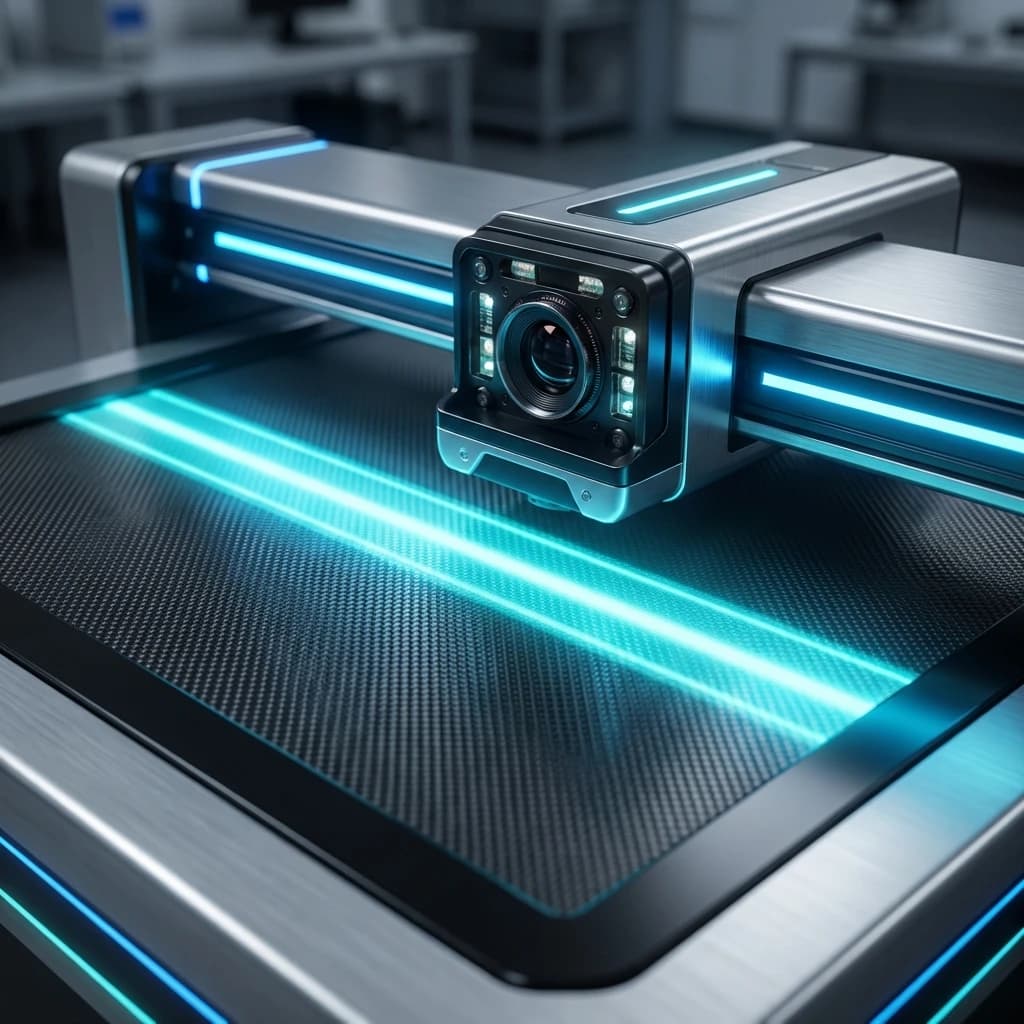
Flatbed precision vs. handheld guesswork
Flatbed scanning is especially useful where a stable, repeatable capture matters. It helps reduce the risks that come with multiple passes, repositioning and manual alignment.
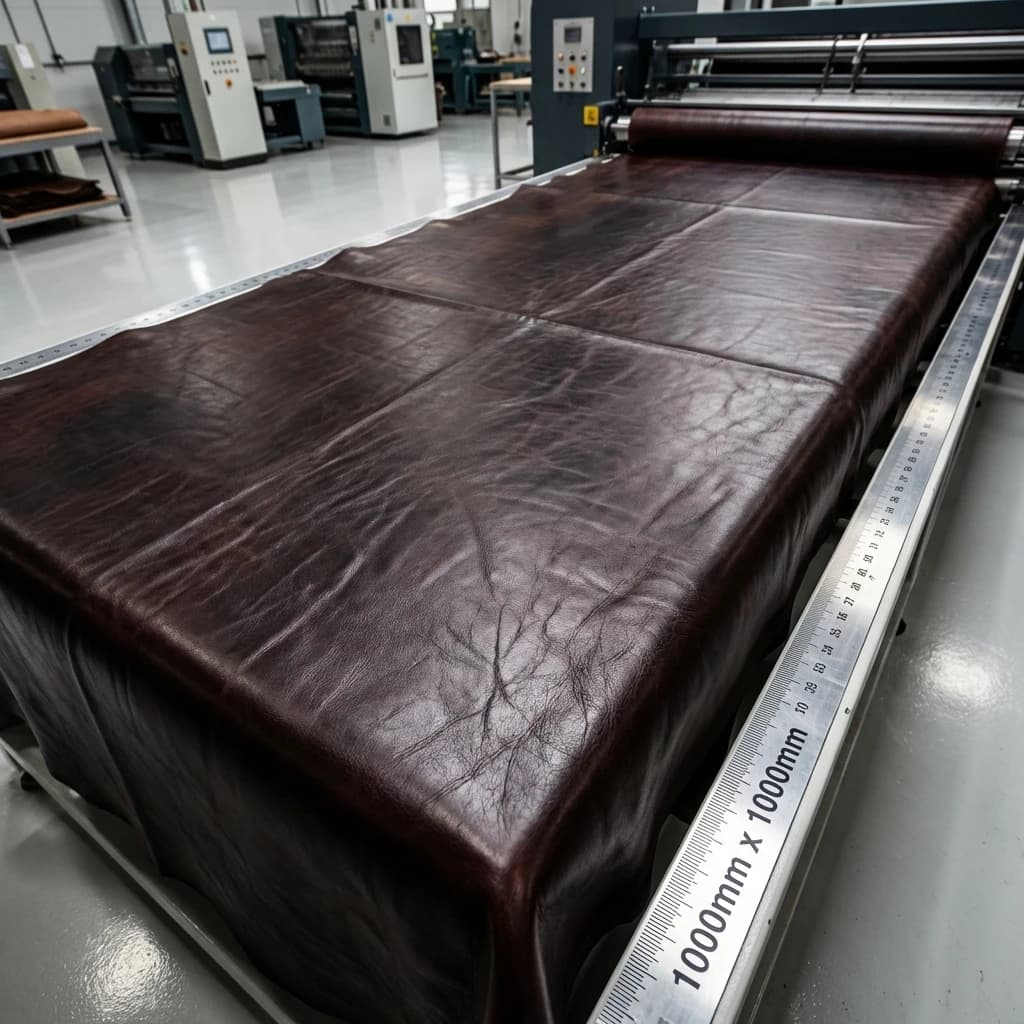
Large-format material samples
Scanning can support larger physical references such as material sheets, textured panels and sample sections, helping capture a more complete view of the surface before design or inspection work begins.
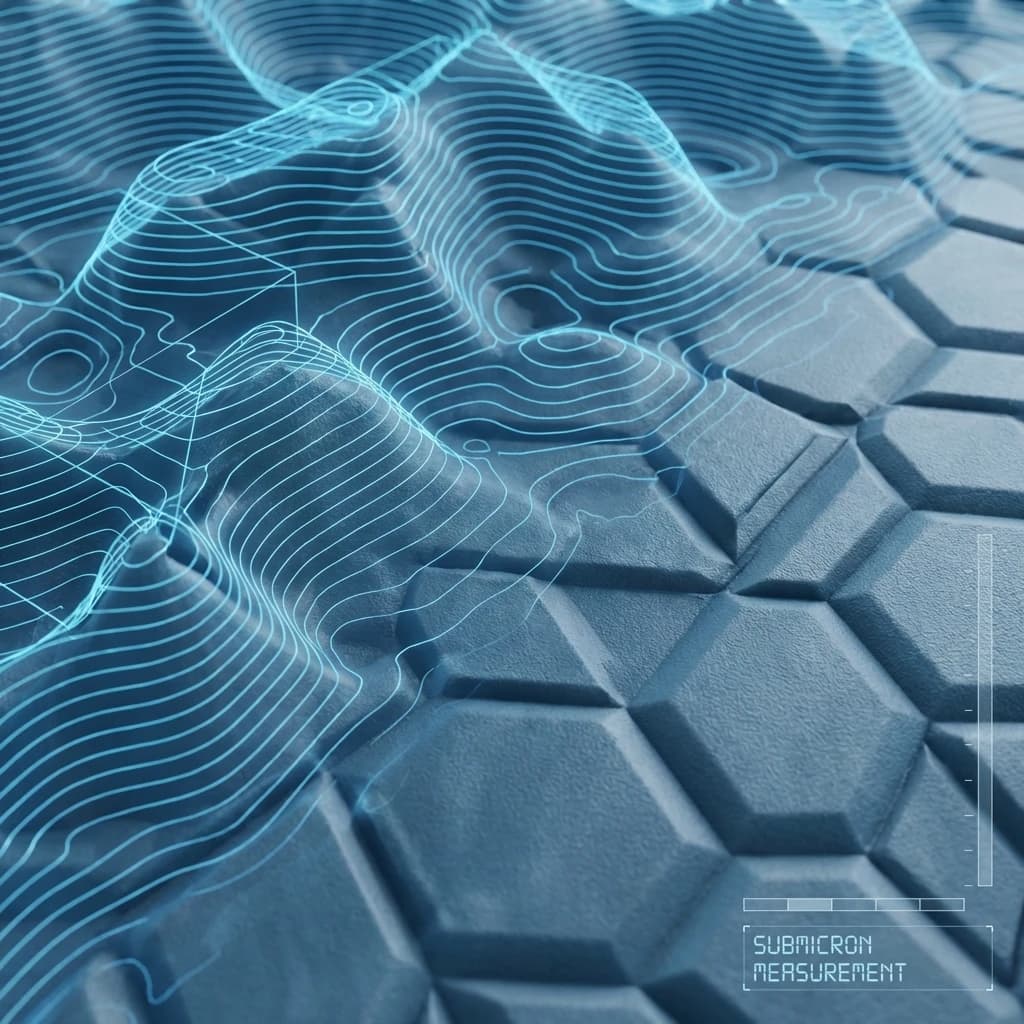
Fine surface detail for pattern decisions
Detailed scan data can help reveal texture depth, surface definition and local variation that may be difficult to judge from photographs or flat artwork alone.
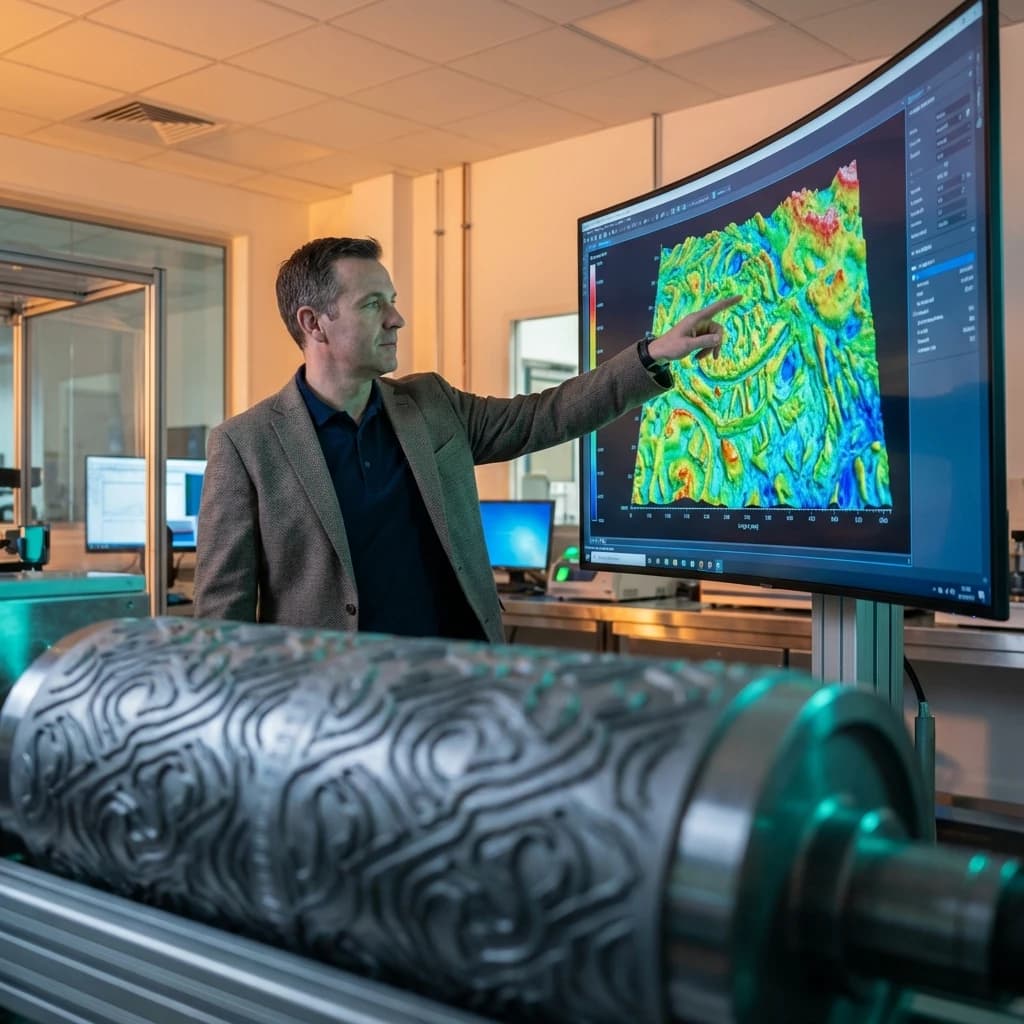
Embossing expertise behind the scan
The scan is only useful if it helps the next decision. Our team understands roller manufacture, refurbishment, pattern development and production-ready surface preparation.
Industries we scan for
Precision scanning for texture-led manufacturing.
From embossing rollers to finished product samples, 3D pattern scanning helps manufacturers capture, compare and preserve physical surface detail before the next design, refurbishment or production decision is made.
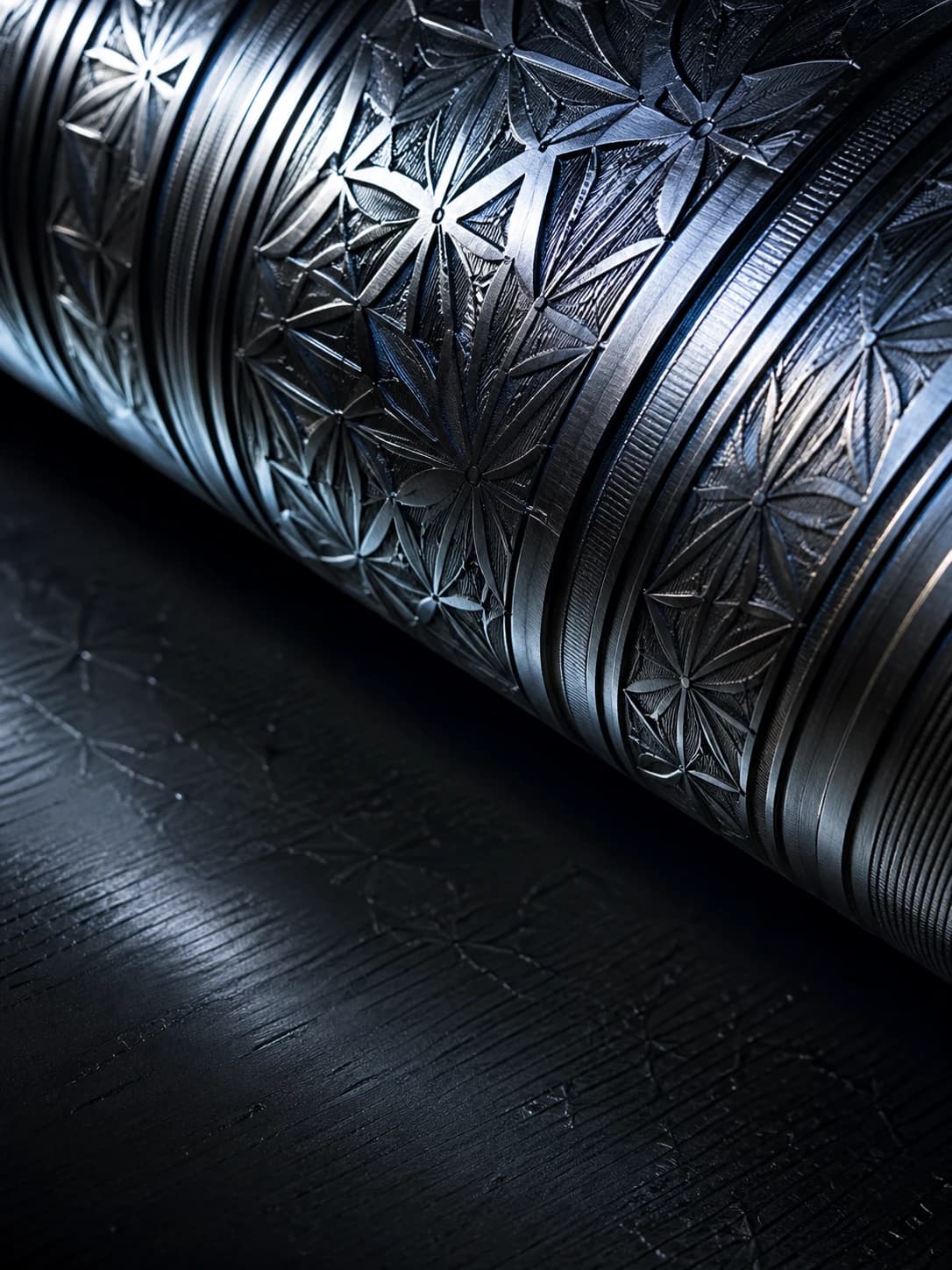
Embossing Roller Manufacturing
Capture existing roller surfaces, assess wear and create digital references where original pattern data is missing or incomplete.
Applications
- Worn roller pattern recovery
- Master pattern digitisation
- Surface wear and deviation review
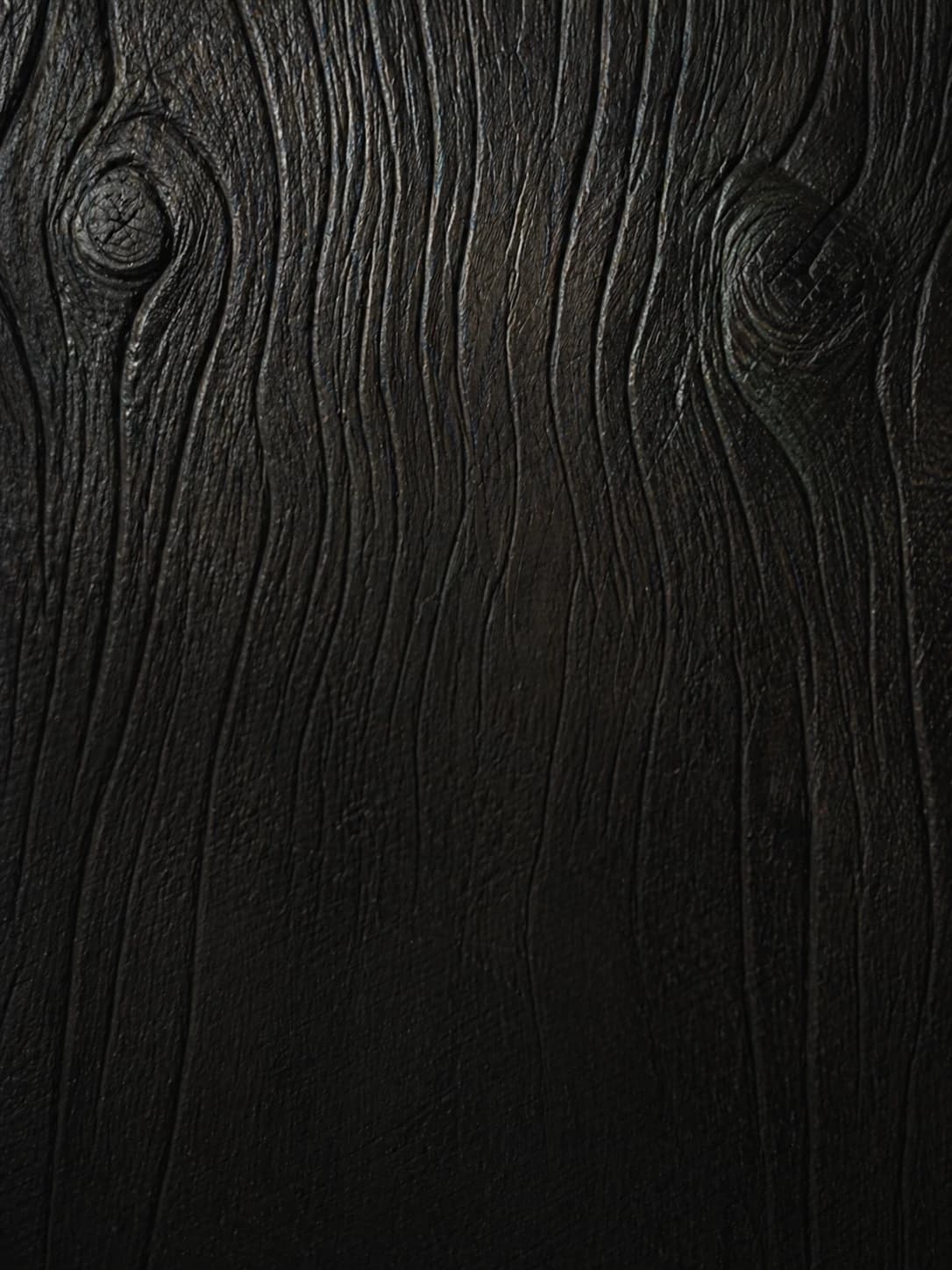
Composite Decking and Wood Textures
Digitise natural woodgrain and existing product textures to support more realistic surface development for decking, cladding and composite materials.
Applications
- Woodgrain texture scanning
- Natural surface capture
- Product texture development
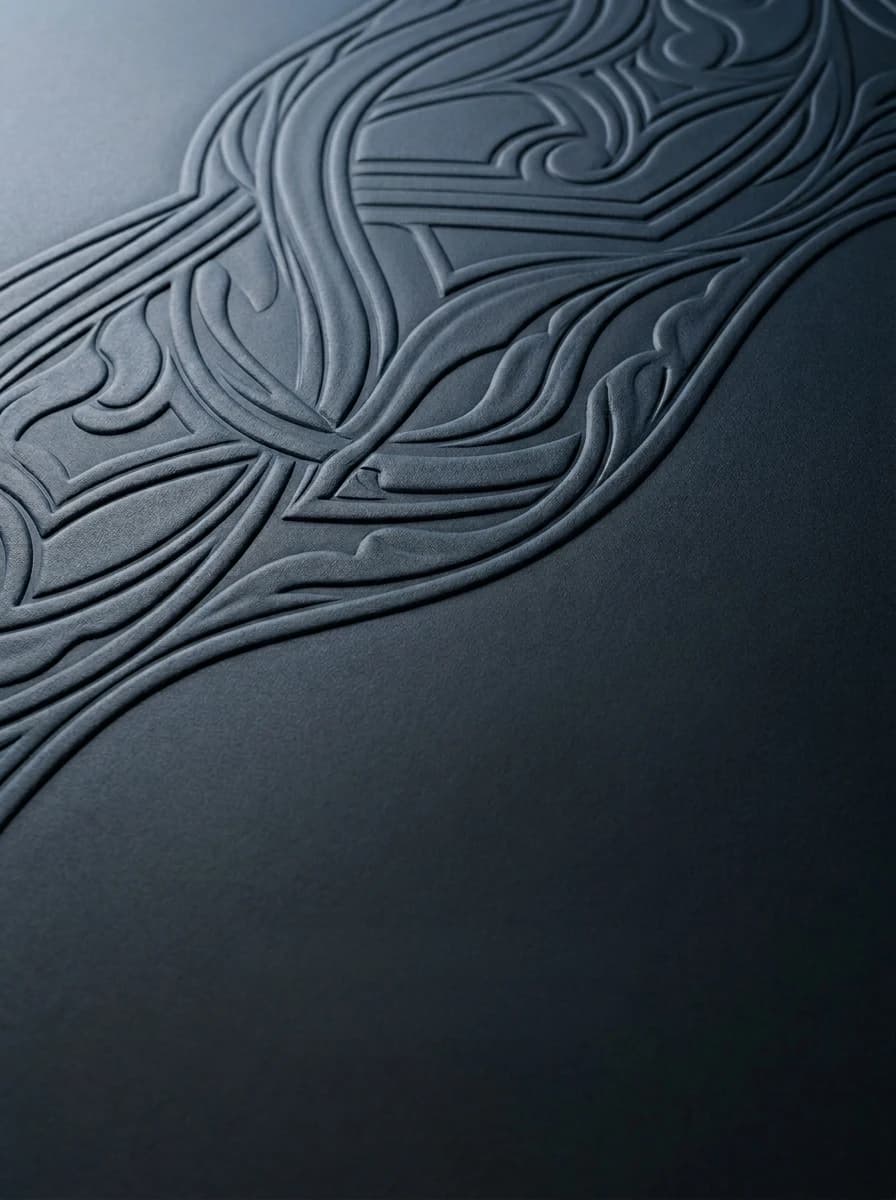
Wall Coverings and Cladding
Scan archive patterns, embossed wallcoverings and textured panels so historic or physical references can be preserved and developed digitally.
Applications
- Historic pattern digitisation
- Repeat pattern capture
- Embossed surface restoration
Artificial Leather and Automotive Interiors
Capture leather grains, trim textures and decorative embossed surfaces for product development, supplier comparison and quality control.
Applications
- Leather grain scanning
- Interior trim texture capture
- Production sample comparison
Packaging, Tissue and Nonwoven Materials
Use scanning to compare production samples, review embossing definition and understand how a texture is performing on real material.
Applications
- Production sample inspection
- Embossing definition review
- Batch or trial comparison
Heritage, Archive and Specialist Pattern Work
Preserve fragile, historic or one-off textured surfaces as digital references where careful handling and non-contact capture are important.
Applications
- Archive pattern digitisation
- Conservation documentation
- Digital texture preservation
What can be scanned?
Send the surface, sample or reference you need to understand.
Customers can send a physical sample, roller section, textured sheet, product panel, archive pattern, finished material or photographs of the item first. From there, we can advise whether scanning is suitable and what the most useful output would be.
Potential outputs
Scan data prepared for the next decision.
Outputs depend on the project and the intended next step. We will confirm suitable formats after reviewing the item, the surface detail required and how the data will be used.
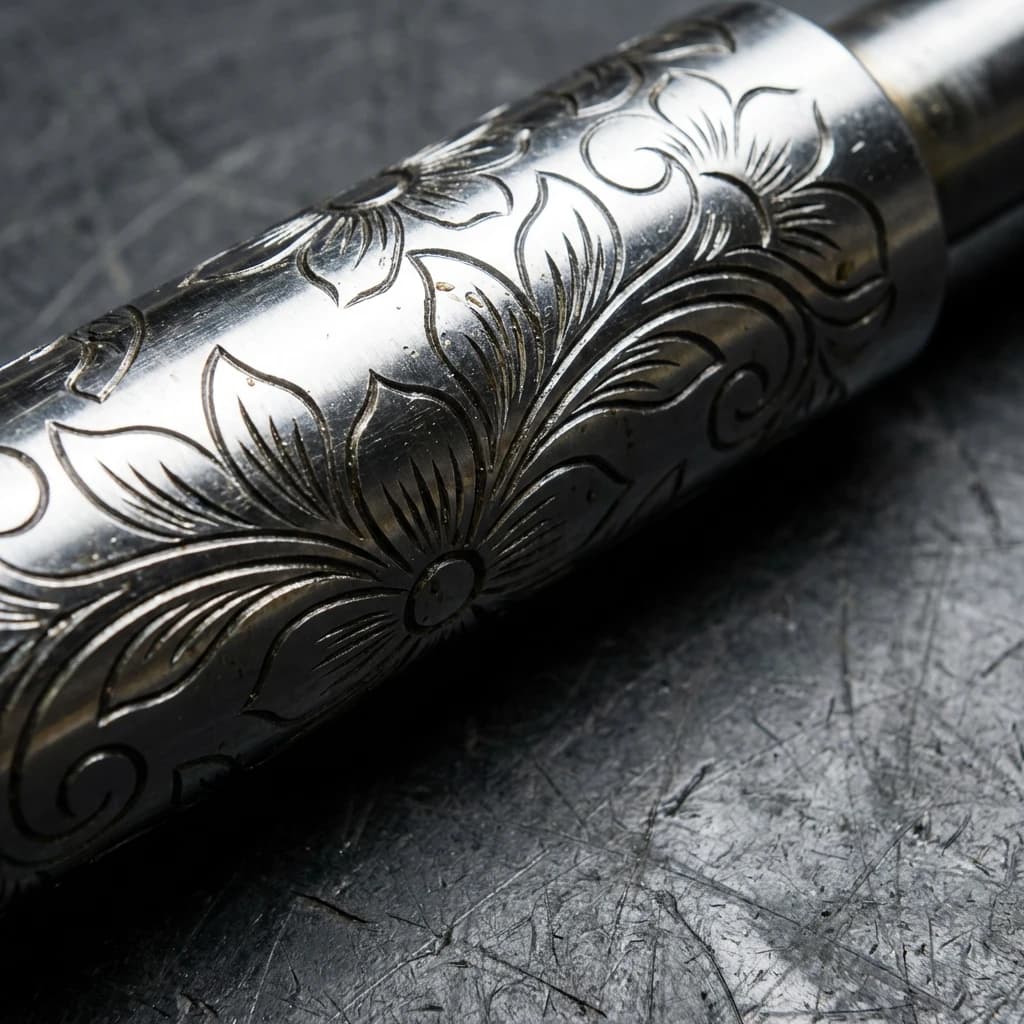
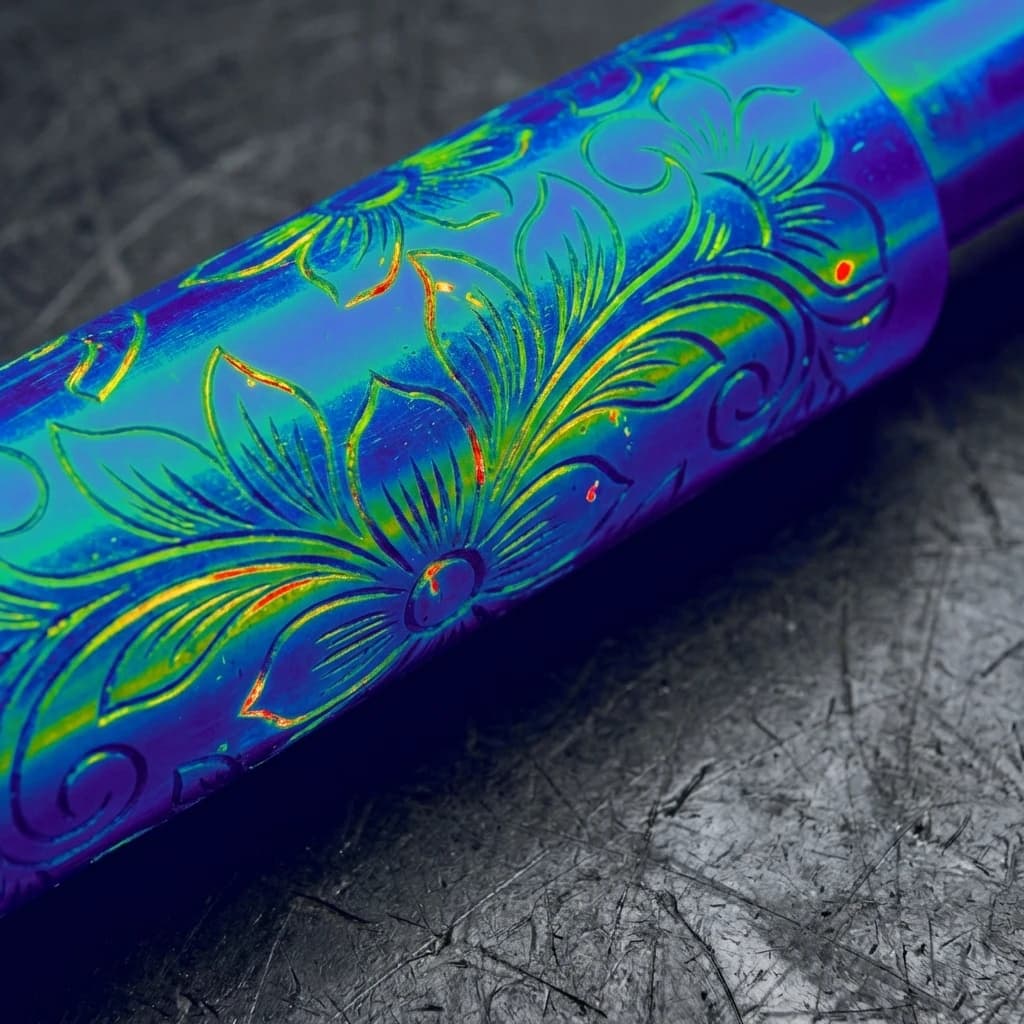
Physical to digital
See how scan data can reveal the surface behind the pattern.
A physical roller or sample tells one part of the story. Scan data can help make the surface structure easier to review, compare and discuss before the next manufacturing decision is made.
Drag the handle across the image to compare the natural roller view with a digital scan-style view of the same surface.
- Useful for worn pattern assessment
- Helps explain texture and surface variation
- Supports refurbishment, design and inspection conversations
The Process
How the scanning process works
A practical route from physical surface to usable digital reference, with clear advice before the data moves into design, inspection, refurbishment or archive work.
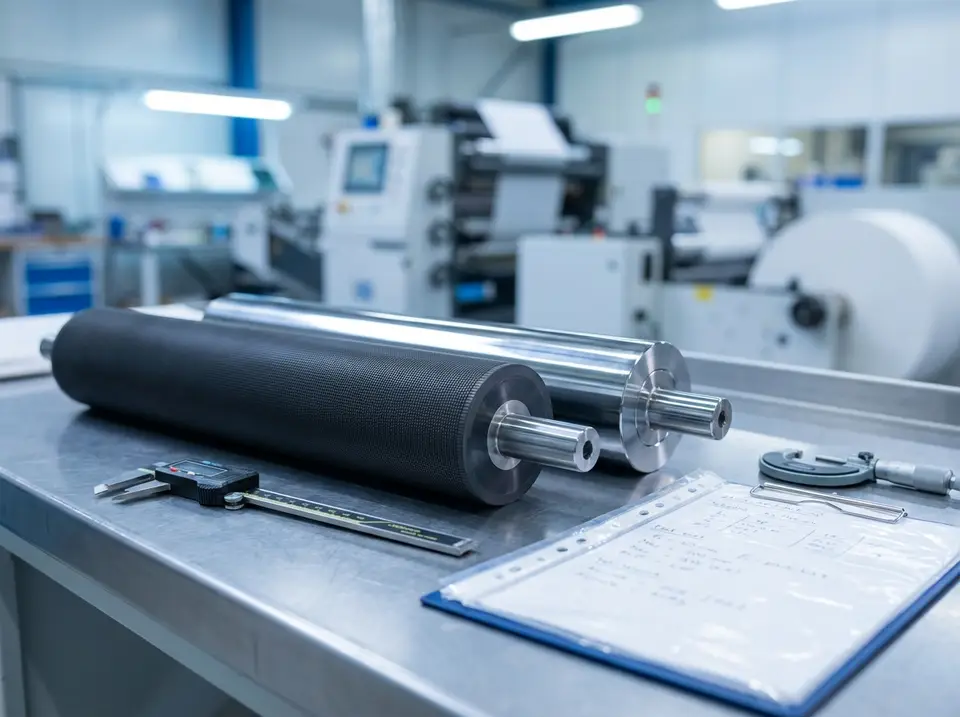
Review the Item or Sample
We start by understanding what the item is, what surface detail needs to be captured, and what the scan data needs to help you decide. This includes checking size, material, condition, pattern repeat and any known limitations.
Scan and Process the Surface
The item is scanned using high-precision 3D scanning equipment. The captured data is then processed so the surface detail can be reviewed, measured or prepared for the intended output.
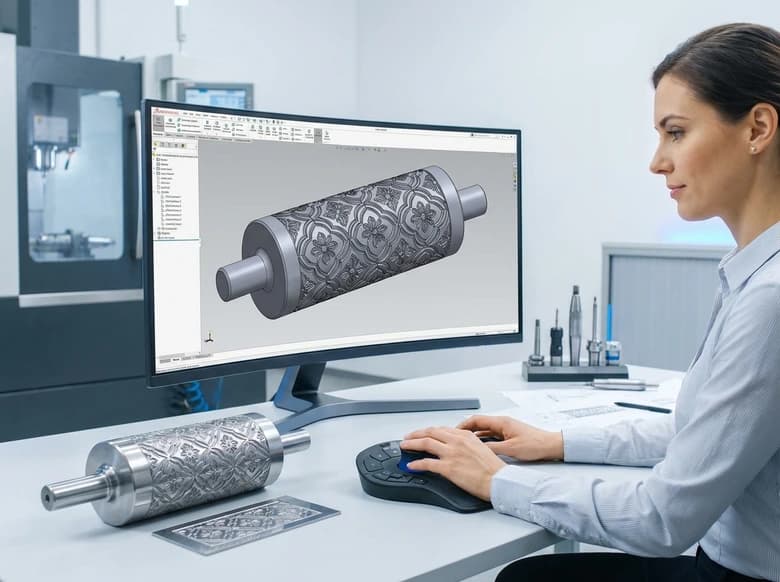
Advise on Next Steps
Once the scan data has been reviewed, we advise on the most practical route forward. That might be engraving, refurbishment, design development, inspection, restoration or digital archiving.
No standard price list
Every scanning project starts with the item and the intended use.
Every scanning project depends on the size, surface detail, material, access and intended output. Send us details of the item and we will advise on suitability, timescale and next steps.
Common questions about 3D pattern scanning
Questions we get asked about scan suitability, physical samples, outputs and how scan data can support engraving or refurbishment work.
Get in touch
Ready to discuss
your next project?
From initial concept through to final roller delivery, our highly-experienced engravers provide expert guidance at every stage substrate selection, pattern development, tolerances and surface finish.
Contact details
ERL — Birch Mill, Heywood