
Bond it. Bulk it.
Finish it.
Embossing rollers for nonwoven fabrics medical, hygiene, tissue and napkin applications. Embossing that does more than decorate: it bonds, bulks and delivers functional performance.
What nonwoven embossing does
Engineered fabrics.
Precision embossing.
Nonwoven fabrics are engineered materials not knitted or woven, but formed directly from fibres bonded together by mechanical, chemical or thermal means. They are typically made for a specific end use, and can be manufactured from recyclable materials, making them an increasingly important part of the move towards more sustainable packaging and product solutions.
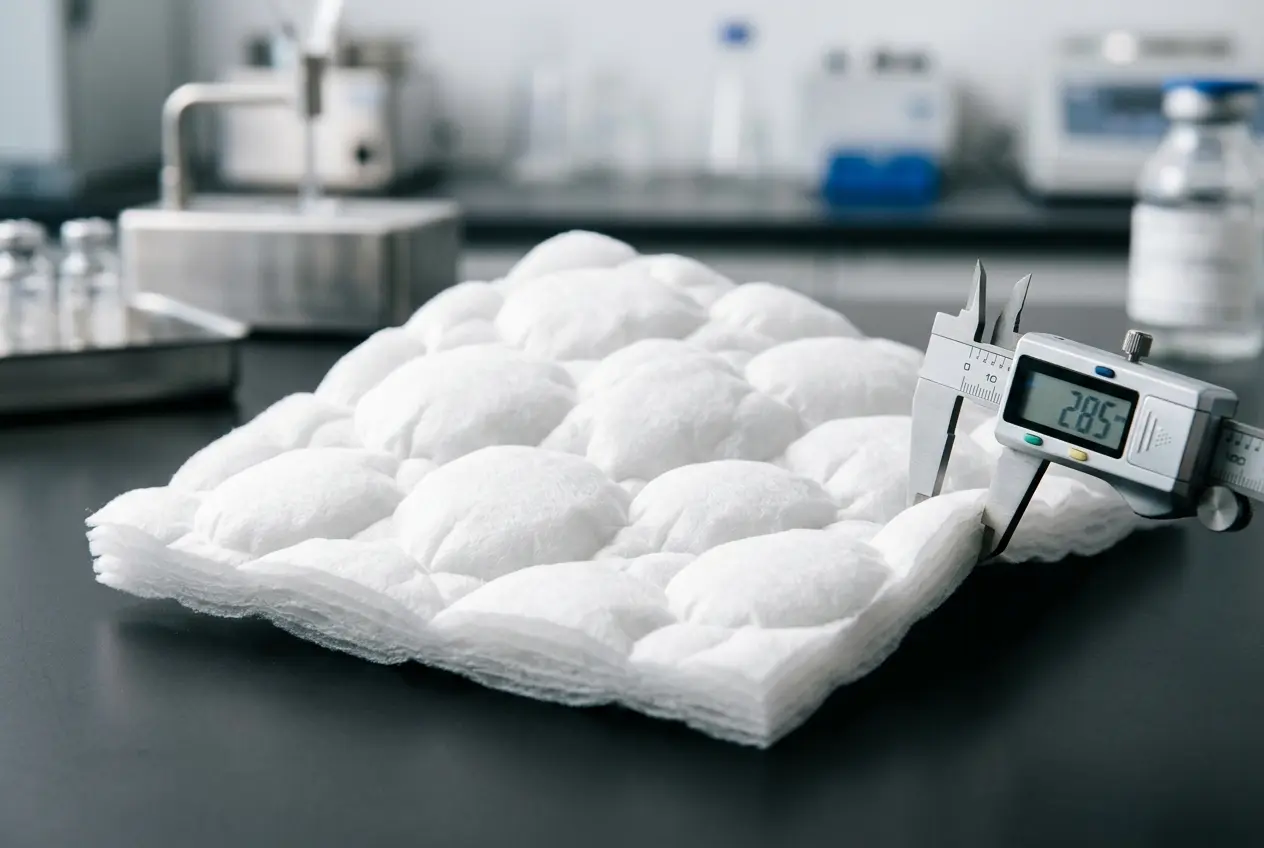
Embossing plays several distinct roles in nonwoven manufacturing. It can bond fabric layers together mechanically removing the need for adhesives and creating a cleaner, more consistent structure. It can bulk a product up, trapping air within the fabric to increase apparent thickness and softness without adding material weight. And it can add decorative pattern and texture to consumer-facing products where appearance matters as much as performance.
Embossed nonwovens are used across the medical sector, in the manufacture of tissues, towels and napkins, and in a wide range of hygiene and personal care applications. In each case, the emboss is a functional part of the product not just a finish applied on top of it.
Bonding & Structural Integrity
Embossing can mechanically bond the layers of a nonwoven fabric together without adhesives creating a unified structure that is stronger, more consistent and better suited to its end use.
Bulk & Thickness
The embossing process traps air within the fabric structure, increasing apparent thickness and softness. A nonwoven product can be made to feel substantially more substantial without adding material weight.
Decorative & Functional
Beyond structural benefits, embossing adds visual texture and pattern to nonwoven products important in consumer-facing applications such as tissues, napkins and medical dressings where appearance supports perception of quality.
Bonding & Structural Integrity
Embossing can mechanically bond the layers of a nonwoven fabric together without adhesives creating a unified structure that is stronger, more consistent and better suited to its end use.
Bulk & Thickness
The embossing process traps air within the fabric structure, increasing apparent thickness and softness. A nonwoven product can be made to feel substantially more substantial without adding material weight.
Decorative & Functional
Beyond structural benefits, embossing adds visual texture and pattern to nonwoven products important in consumer-facing applications such as tissues, napkins and medical dressings where appearance supports perception of quality.
Engineered Output
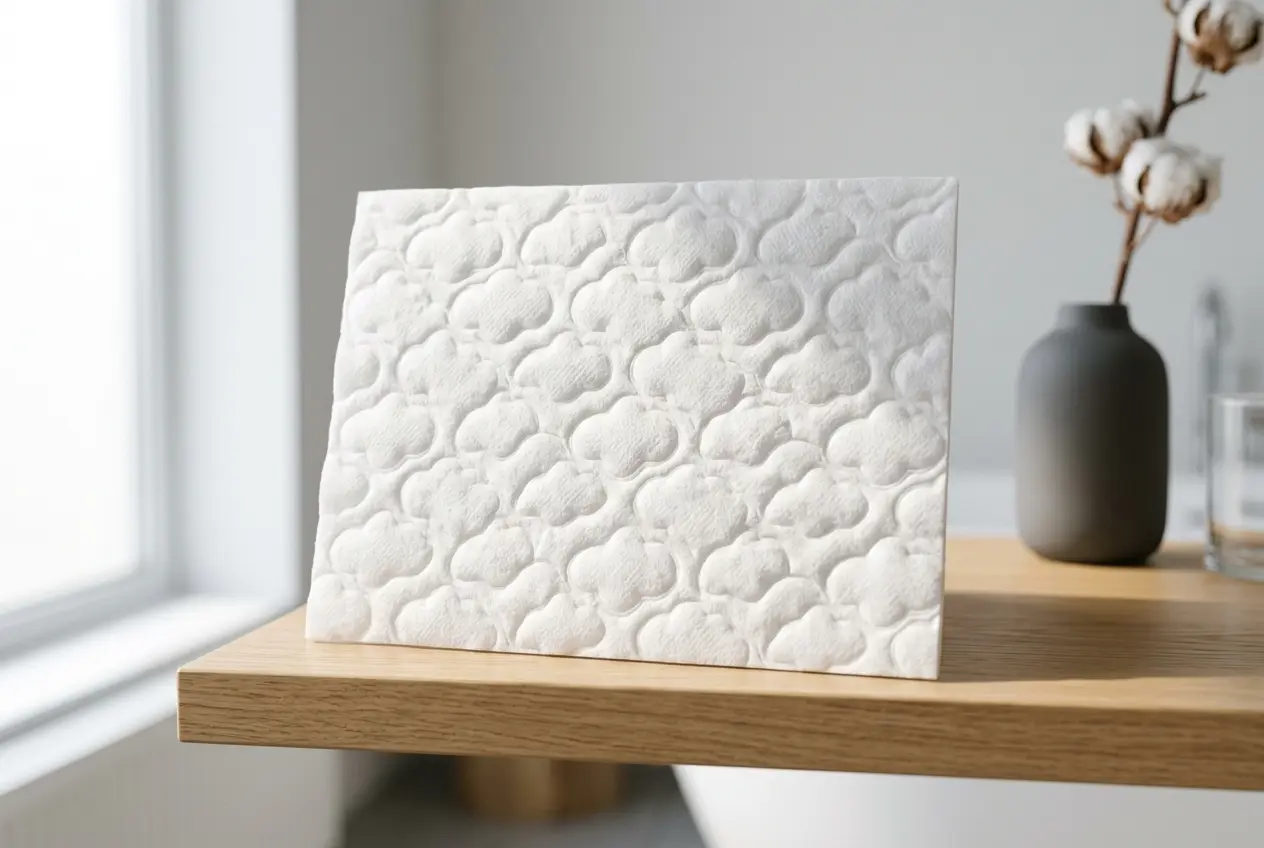
Embossed nonwoven fabric demonstrating precision bonding, bulking and decorative texture — engineered for functional performance and aesthetic quality.
Get in touch
Ready to discuss
your next project?
From initial concept through to final roller delivery, our highly-experienced engravers provide expert guidance at every stage substrate selection, pattern development, tolerances and surface finish.
Contact details
ERL — Birch Mill, Heywood